If you were to travel back 200 million years to the Jurassic period, you would see a landscape dominated by a tree that looks remarkably familiar: Ginkgo biloba. Often called a "living fossil," the Ginkgo tree is the only surviving member of its taxonomic group. It has survived ice ages, mass extinctions, and even the atomic blast at Hiroshima. This extreme resilience is not just a botanical curiosity—it is a testament to the powerful, protective compounds found within its fan-shaped leaves.
In traditional Eastern medicine, Ginkgo has been used for centuries to support the "Sea of Marrow" (the brain) and invigorate the blood. Today, it is one of the most researched herbal supplements in the world. But with thousands of studies published over the last 40 years, what is the consensus? Does it actually work for memory, focus, and aging? At FireRoot, we value transparency and evidence-based wellness. Let’s dive into the clinical reality of Ginkgo biloba.
Key Takeaways
- Ginkgo biloba primarily works by increasing cerebral blood flow and acting as a neuroprotective antioxidant.
- Clinical trials support its efficacy in stabilizing cognitive function in age-related decline.
- Standardized extracts (24% flavone glycosides, 6% terpene lactones) are the gold standard for efficacy.
- Benefits are cumulative—it typically takes 4-12 weeks of consistent use to see significant results.
What Is Ginkgo Biloba?
Ginkgo biloba extract (GBE) is derived from the dried green leaves of the tree. Unlike many other herbal remedies that use the whole plant, modern cognitive support relies on highly concentrated, standardized extracts. The two most important groups of active compounds are:
- Flavonoid glycosides: Potent antioxidants (like quercetin and kaempferol) that protect nerves, heart muscle, and blood vessels from oxidative damage.
- Terpene lactones: Unique compounds (ginkgolides and bilobalide) that improve blood flow by dilating blood vessels and reducing the "stickiness" of platelets.
How Ginkgo Works in the Brain
Ginkgo doesn't just "give you a buzz" like caffeine. Its mechanisms are foundational and structural. There are three primary ways it supports brain health:
1. Enhanced Cerebral Blood Flow
The brain consumes about 20% of the body's oxygen despite being only 2% of its weight. It is incredibly sensitive to changes in blood supply. Ginkgo promotes the release of nitric oxide, a signaling molecule that tells the smooth muscles of the arteries to relax (vasodilation). This allows more oxygen and glucose-rich blood to reach the micro-capillaries of the brain, essentially "fueling" your cognitive processes.
2. Neurotransmitter Regulation
Research suggests that Ginkgo can influence the availability of several key neurotransmitters, including acetylcholine (critical for memory), dopamine (critical for motivation/focus), and serotonin. It appears to protect the receptors for these chemicals, ensuring that the signals between your neurons remain clear and strong.
3. Antioxidant & Neuroprotection
The brain is high in fat, making it particularly vulnerable to lipid peroxidation (rancidity) caused by free radicals. Ginkgo’s flavonoids act as scavengers, neutralizing these harmful molecules before they can damage delicate neuronal membranes. This is vital for long-term "brain aging" prevention.
Memory & Focus: What Studies Show
For healthy young and middle-aged adults, the research on Ginkgo is positive but nuanced. A meta-analysis published in Human Psychopharmacology found that Ginkgo biloba improved "aspects of executive function, selective attention, and memory" in healthy subjects. However, these effects are often subtle and build over time. It is not a "magic pill" for a one-night cram session; rather, it is a tool for long-term cognitive maintenance.
In individuals experiencing "subjective cognitive impairment"—the feeling of being more forgetful or "foggier" than usual—the results are more pronounced. Study participants often report improved speed of information processing and a greater capacity for sustained focus during complex tasks.
Circulation Benefits: Beyond the Brain
Because Ginkgo is a systemic circulatory tonic, its benefits extend beyond the skull. In TCM, this is seen as "moving the Qi and Blood."
- Cold Extremities: Many people with poor peripheral circulation (cold hands and feet) find relief with Ginkgo.
- Tinnitus: Some clinical trials have shown that Ginkgo can reduce the severity of ringing in the ears (tinnitus), particularly when caused by vascular issues.
- Vision Health: By improving blood flow to the optic nerve, Ginkgo may support long-term eye health and protect against oxidative stress in the retina.
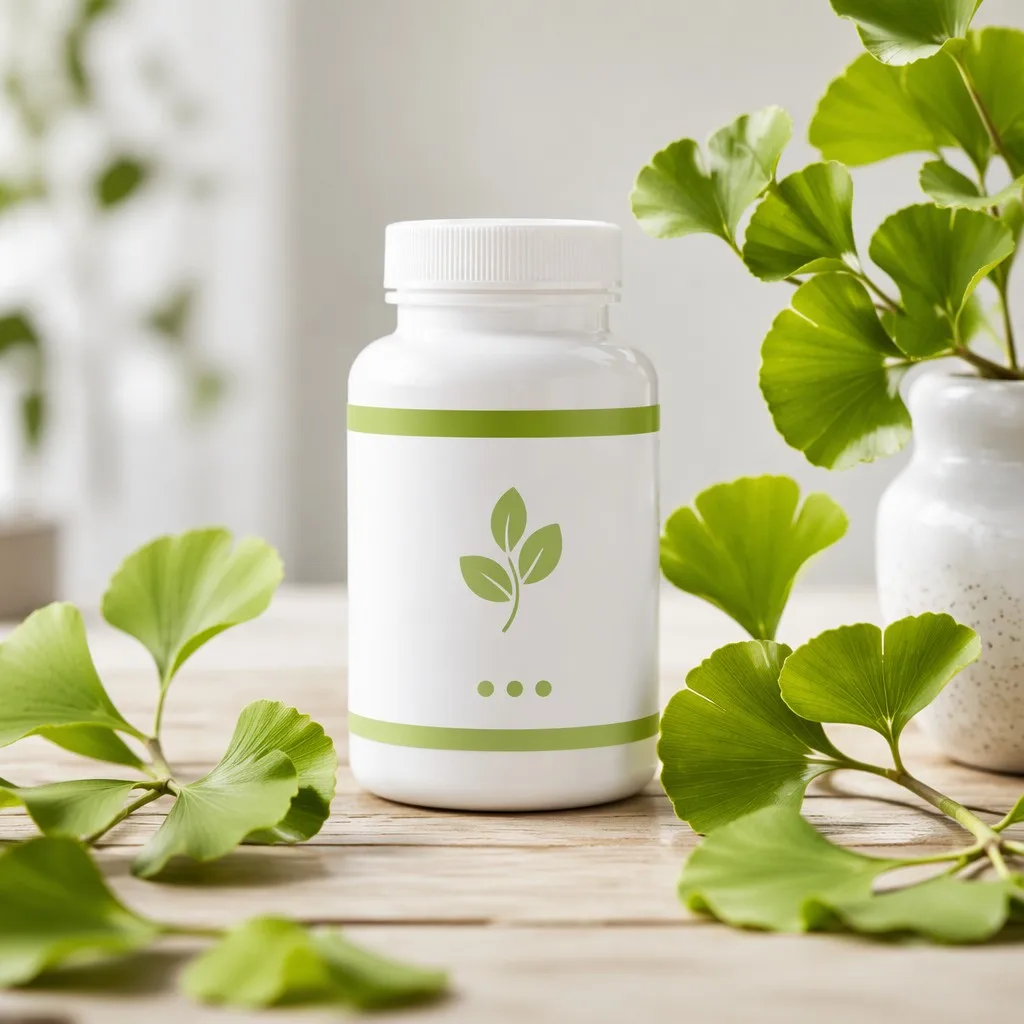
Premium Ginkgo Biloba
Standardized to 24% Flavone Glycosides and 6% Terpene Lactones for maximum potency. $30.00
Shop Ginkgo BilobaGinkgo & Aging: Research on Cognitive Decline
This is where Ginkgo has its strongest evidence base. Numerous large-scale European studies (where Ginkgo is often a prescribed medicine) have examined its effect on age-related cognitive decline and mild dementia. The consensus among researchers is that Ginkgo can stabilize or even slightly improve cognitive performance and social functioning in elderly patients.
A 20-year follow-up study (the PAQUID cohort) found that people who took Ginkgo biloba regularly had a significantly slower rate of cognitive decline compared to those who did not. While it is not a cure for neurodegenerative diseases, it is a powerful ally in the "well-aging" toolkit.
Dosage & Choosing a Quality Supplement
Not all Ginkgo is created equal. Many "leaf powders" found in health stores contain very little of the active compounds. To get the results seen in clinical trials, you must look for Standardized Extract.
- Standardization: Look for "24/6"—meaning 24% flavone glycosides and 6% terpene lactones. This is the ratio used in the famous EGb 761 extract studies.
- Dosage: The standard clinical dose is 120mg to 240mg per day, usually split into two doses.
- Duration: You must be patient. Brain health is a marathon. Most studies show peak benefits after 8 to 12 weeks of consistent daily use.
Safety & Side Effects
Ginkgo biloba is generally well-tolerated. However, due to its blood-thinning properties (inhibiting Platelet Activating Factor), it should not be taken by people on anticoagulant medications (like Warfarin or Aspirin) without consulting a doctor. It should also be discontinued at least two weeks before any scheduled surgery.
FAQ
Q: Can I take Ginkgo with coffee?
A: Yes. In fact, many people find that the "calm clarity" of Ginkgo helps balance the "jittery energy" of caffeine.
Q: Does it help with anxiety?
A: While not a primary anti-anxiety herb, some studies have shown it can reduce symptoms of generalized anxiety disorder by modulating cortisol levels.
Q: Is it safe for long-term use?
A: Yes, clinical studies have followed participants for several years with a high safety profile.
Conclusion
The 40-year research record on Ginkgo biloba is clear: it is a formidable tool for those seeking to protect their brain health and improve circulation. By honoring this "living fossil," we tap into a biological intelligence that has survived for millions of years. Whether you are looking to stay sharp at work or ensure your mind remains vibrant as you age, Ginkgo is a foundational pillar of the FireRoot philosophy.